




A door lock can appear perfectly normal while developing small problems that may become more serious over time. A key may start feeling slightly stiff, a latch may not line up exactly with the frame, or a door may require a little extra pressure before it locks.
These signs are easy to ignore because the door still appears to work.
However, small changes in the way a door or lock operates can sometimes indicate developing problems with the hardware, alignment, or overall access system. Identifying these issues early can help property owners avoid more disruptive failures later.
For homeowners, landlords, property managers, and businesses in Dubai, professional lock inspection can therefore be a useful part of routine property maintenance.
A Lock Inspection Is More Than Checking the Key
When people think about inspecting a lock, they often focus only on whether the key turns.
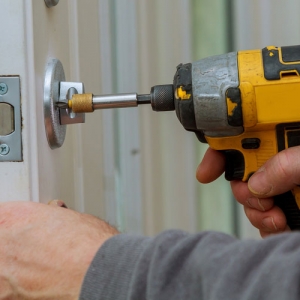
A professional inspection looks at the complete door and locking system.
This can include:
-
Lock cylinder
-
Latch
-
Deadbolt
-
Strike plate
-
Door frame
-
Hinges
-
Handles
-
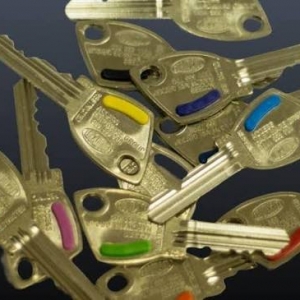
Key condition
-
Lock alignment
-
Visible hardware damage
All of these components can affect how securely and consistently a door operates.
A lock may be functioning correctly while another part of the door is creating pressure on the mechanism.
Small Changes Can Be Early Warning Signs
A developing problem does not always begin with a complete lock failure.
Instead, you may notice subtle changes.
For example, the key might take slightly more effort to turn than it did previously. The door might need to be pulled toward the frame before the lock engages. The handle could feel loose, or the latch might make contact with the frame.
These symptoms do not automatically mean the lock is about to fail.
However, they provide useful information.
Ignoring repeated changes can allow a relatively simple adjustment or repair issue to develop into a more inconvenient problem.
Door Alignment Can Affect Security
The relationship between the door and frame is important.
A locking bolt needs to move into its designated opening without unnecessary resistance.
If the door shifts slightly, the bolt may begin rubbing against the strike plate.
This can make the key harder to turn and may place additional stress on the locking mechanism.
An inspection can identify whether the lock itself is responsible or whether the door needs adjustment.
This distinction is important because replacing a lock will not necessarily solve an alignment problem.
Loose Hinges Can Create Lock Problems
Hinges support the door and help maintain its position within the frame.
If hinges become loose or the door begins to sag, the position of the latch and bolt can change.
The door may still close, but the locking components may no longer meet the frame as precisely as they should.
This can produce symptoms that appear to be a lock problem.
A professional inspection can identify whether hinge movement or door positioning is contributing to the issue.
The Strike Plate Deserves Attention
The strike plate is often overlooked because it is attached to the frame rather than the lock itself.
However, it plays an important role in receiving the latch or bolt.
If it is loose, damaged, poorly positioned, or no longer aligned with the locking mechanism, the door may not secure correctly.
A professional can check whether the bolt enters the strike opening properly and whether the surrounding hardware remains firmly attached.
Small corrections can sometimes prevent larger mechanical problems.
Worn Keys Can Hide the Real Problem
Sometimes the lock is not the source of the problem at all.
A key that has been used for years can become worn.
Its cutting surfaces may gradually change, and a damaged or poorly duplicated key can make a good lock feel difficult to operate.
If the problem occurs with one key but not another known working key, the key itself deserves attention.
This is why professional inspection should consider both the key and the lock.
Why Repeated Stiffness Should Not Be Ignored
A key that occasionally feels slightly different may not indicate a serious issue.
However, repeated stiffness is worth investigating.
If you have to push, pull, lift, or adjust the door every time you lock it, the system is telling you that something is not operating as smoothly as it should.
Continued use under these conditions can place additional stress on the key and locking components.
In some cases, the key could eventually become damaged or break during operation.
Early inspection can help identify the cause before the situation becomes an emergency.
Physical Damage Can Change the Recommendation
Locks can experience physical damage from attempted forced entry, accidental impact, repeated misuse, or general wear.
Damage may not always be obvious.
A lock may still operate while its housing, cylinder, handle, or surrounding hardware has been compromised.
A professional can inspect the visible components and determine whether the existing hardware remains suitable.
Depending on the condition, the appropriate solution could involve adjustment, repair, rekeying, or replacement.
An Inspection Can Help Avoid Unnecessary Replacement
One advantage of professional inspection is that it can prevent property owners from replacing hardware unnecessarily.
A stiff lock does not automatically require a new cylinder.
A loose door does not automatically require a new lock.
A difficult key does not automatically mean that the entire locking system has failed.
The actual cause should be identified first.
If the existing hardware remains suitable, a smaller repair or adjustment may be enough.
When Replacement May Actually Be Necessary
An inspection can also reveal when replacement is justified.
Replacement may be appropriate if the lock is:
-
Heavily worn
-
Physically damaged
-
Unreliable
-
Repeatedly failing
-
No longer compatible with the door
-
Difficult to maintain
-
Unsuitable for current access requirements
The benefit of an inspection is that the decision is based on the condition of the hardware rather than guesswork.
Security Is About More Than the Lock Cylinder
A strong cylinder cannot compensate for every weakness around a door.
The frame, strike area, hinges, door material, and installation all contribute to the overall security of the entrance.
This is particularly relevant for external doors.
If the surrounding hardware is loose or poorly aligned, simply installing a different cylinder may not address the complete security situation.
A professional inspection looks at the entrance as a system.
Commercial Properties Need Regular Attention
Businesses can have more demanding access requirements than residential properties.
Office doors may be opened and locked many times every day.
Retail entrances, staff areas, storage rooms, and internal offices can all experience different levels of use.
High traffic can accelerate wear on certain components.
Regular inspection can help property managers identify issues before a frequently used entrance becomes difficult to operate during business hours.
Rental Properties Can Also Benefit
Landlords and property managers may have multiple properties or tenants to manage.
A lock that works during a routine inspection may begin showing problems later.
Keeping track of recurring issues can help identify doors that require attention.
When a tenant reports that a key has become difficult to turn or a door no longer closes properly, it is useful to investigate the complete system rather than immediately assuming the cylinder needs replacement.
What Happens During a Professional Inspection?
The exact process depends on the property and lock type, but a professional may examine the key, lock operation, door alignment, latch, bolt, strike plate, hinges, and visible hardware.
The door can be tested in different positions to determine whether resistance occurs only when it is closed.
The key may also be compared with another authorised key where available.
The purpose is to identify the source of the problem and determine what action, if any, is necessary.
What Should You Tell the Locksmith?
Before an inspection, explain what you have noticed.
Useful information includes:
-
When the problem started
-
Whether it happens every time
-
Whether the door is open or closed
-
Whether another key works differently
-
Whether the door has recently been repaired
-
Whether the lock has been damaged
-
Whether the problem changes at different times
These details can help the professional understand the symptoms before examining the hardware.
Choosing Dubai Locksmith Experts
When looking for Dubai locksmith experts, consider whether the service focuses on diagnosis rather than immediately recommending replacement.
A professional should be able to explain what they have found and why a particular solution is appropriate.
This is especially useful when the problem is not obvious.
A good inspection can help determine whether the issue involves the key, cylinder, door alignment, frame, hinges, latch, or another component.
What Should Be Checked After an Inspection?
Once any recommended work is completed, the door should be tested again.
The key should operate smoothly.
The latch and bolt should move correctly.
The door should close without unusual force.
The locking mechanism should engage properly when the door is in its normal closed position.
If adjustments were made, the system should be tested several times rather than relying on a single operation.
Frequently Asked Questions
How often should a door lock be inspected?
There is no universal schedule for every property. Inspection may be particularly useful when a lock becomes difficult to operate, shows visible damage, or experiences frequent use.
Does a stiff key always mean the lock is damaged?
No. The problem could involve the key, door alignment, strike plate, hinges, or another part of the system.
Can a locksmith inspect the door frame too?
Yes. The frame and strike area can affect how the locking mechanism operates and should be considered when diagnosing alignment problems.
Is lock replacement always necessary after an inspection?
No. Depending on the findings, adjustment, repair, maintenance, or rekeying may be sufficient.
Why inspect a lock if it still works?
Because small changes in operation can provide early indications of developing problems. Identifying them early may help prevent a more disruptive failure.
Final Thoughts
A door lock does not need to stop working completely before it deserves attention.
Small changes such as a stiff key, a loose handle, a door that needs to be pulled into position, or a latch that no longer lines up correctly can provide useful clues about the condition of the complete locking system.
Professional inspection can help determine whether the problem is related to the key, cylinder, door alignment, hinges, strike plate, or another component.
This can prevent property owners from spending money on unnecessary replacement while also making sure genuine security or mechanical problems are not ignored.
For homeowners, landlords, and businesses searching for Dubai locksmith, choosing a professional who evaluates the complete door rather than focusing on one component can provide a clearer understanding of what actually needs to be done.
Sometimes the solution may be a simple adjustment. In other cases, repair, rekeying, or replacement may be justified.
The important part is finding the cause before deciding on the solution.
A professional lock inspection is therefore not simply about fixing something that has already failed. It can be a practical way to identify early warning signs, maintain reliable access, and prevent small door hardware problems from becoming larger security or lockout issues.