










Customers are now in charge. Thanks to the growth of the Web, it is easier than ever to compare shops and switch from one business to another with the click of a mouse.
However, research has found that in the online market, customers yearn for trustworthiness more than ever.
Customer relationships are a company’s most valuable asset - worth more than everything else combined as No customers = No business.
Getting and keeping more customers who stay with you longer is crucial. If your customers are loyal to your business, they will likely choose you over your competitors.
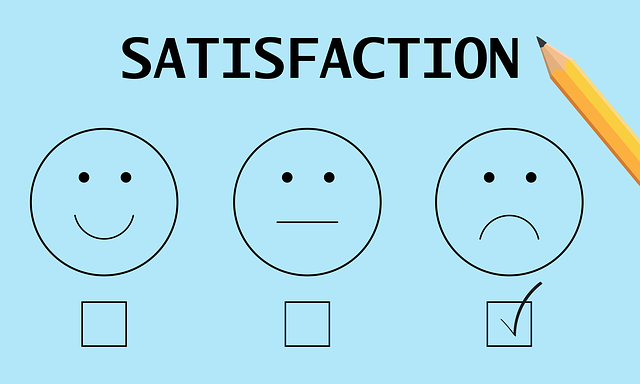
Loyal customers will be much more likely to tell their friends about you. Loyal customers spend more and bring in even more new customers.
Loyalty is precious.

Research has shown that a 5 percent increase in customer retention rates results in a 25 percent to 95 percent increase in profits.
It’s easy to say customers are our most important asset but turning CRM strategy into bottom-line results is hard work.
It means winning the battle for customers’ hearts and minds daily, with each interaction at every customer touch point.
Long-standing relationships only arise from trust gained over many transactions and by customers' belief that the company wishes to keep them around rather than drive them away.
Creating a customer-focused company starts with the definition of a CRM strategy, which must then be filled out with new work processes, organizational changes, and even a revamped corporate culture.

To create customers for life, customers who will become advocates with the perception (and don’t forget that perception is reality) need to believe that you do what's best for your customers, not just what's best for your bottom line.
TO DO THAT:
1) Find out What Customers Want and Know What You're Providing Matches.
Do not start with the bottom line. Profit and cash flow are residuals of attention to the needs and preferences of your customers.
Of course, profits are crucial. But long-term cash flow and profits come from regular customers.
2) Be Hand Keep Things Simple.
Listen, communicate openly and keep your promises. Deliver what you say you will. Far too many businesses focus on ways to keep customers, only to lose sight of the fact that their product or service simply isn't what it should be.
Make certain that the core of what you do is deserving of long-term customer loyalty, and then look for ways to nurture it. Make it simple to do business with you.
3) Practice What You Preach and Preach What You Practice.
Treat your customers like you would like to be treated and then go even further by, in that classic phrase: exceeding their expectations. Give customers reasons to stay.
Great service or products are terrific, but it never hurts to lure customers into the long-term fold. How about discounts for regular customers? Customer loyalty needs to be appropriately valued and rewarded.
4) Nurture Employees.
“Old-fashioned” solutions still provide the edge. Research shows that a personal relationship with your employees is the key to keeping customers loyal and that happy staff keep customers coming back.
Treat your employees as you would want to be treated year after year. Not only does that encourage staff also to do their bit to entice customer loyalty, but it also emphasizes a supportive, responsive environment.
Employee loyalty needs to be appropriately valued and rewarded.
5) Use Sensible Marketing Practices
Not many people enjoy being bombarded with telephone calls and mailings so don’t do it! Test, test, test, and track the customers who come back.

Once you know who your best customers are, the real work begins—convincing them to stay forevermore. Repeat purchase and retention rates capture the real indications of whether or not a company is delivering high value to its customers.
6) Know the Value of Your Customers, Segments, and Groups
Know who is likely to be loyal. Some customers are more trouble than they're worth. Monitor what goes into keeping a customer satisfied; if it's too costly or simply too much work - it's wrong to say that everyone should be a lifelong customer.
7) Use Effective CRM Systems, Don't be Driven by the Vendor or Consultant
They're likely to know the technology far better than you. But let customers' needs and everything above drive how you use the technology.
That’s all there is to it! Treat your customers right, they're the biggest asset for every business.