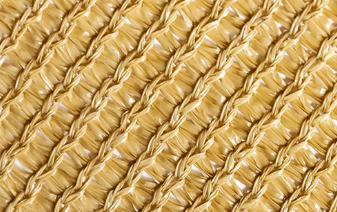













The Agriculture Sun Shade Net is increasingly integrated into smart farming systems, bridging traditional crop protection with emerging digital agriculture technologies. As growers deploy sensors and automated controls, shade nets are no longer just passive covers — they become part of a responsive system that senses light, temperature, and moisture to dynamically adjust shading. This synergy supports better plant performance and resource use.
Innovations in materials are also influencing this shift. Developers are designing nets with improved UV resistance, enhanced tensile strength, and optimized weave structures for airflow. Some nets filter specific wavelengths of light, helping fine-tune the light spectrum that reaches crops. These design enhancements support crop health and yield by maintaining favorable conditions under variable external lighting.
Beyond climate control, agriculture sun shade nets contribute meaningfully to water management. By reducing evaporation, they help preserve soil moisture, which means less frequent irrigation and lower water demand. This capability is especially relevant in areas facing water constraints, allowing farmers to conserve a precious resource while keeping crops healthy. The shade nets’ breathable structure supports soil aeration, helping roots grow and absorb nutrients effectively.
Moreover, the nets act as a natural barrier for pests and external debris. Their woven construction reduces wind damage and limits the entry of insects, which supports integrated pest management strategies. This passive protection helps reduce dependence on chemical inputs, aligning with more sustainable farming methods.
Farmers also appreciate the long lifespan of well-constructed shade nets. Thanks to UV stabilizers and durable materials, the nets remain effective through multiple growing seasons. Their adaptability means they can be used in many settings — from high tunnel farms to open fields — and repositioned as needed.
In conclusion, Agriculture Sun Shade Net technology is evolving toward a more intelligent and sustainable future. They represent a practical and adaptive tool for resilient farming systems.