



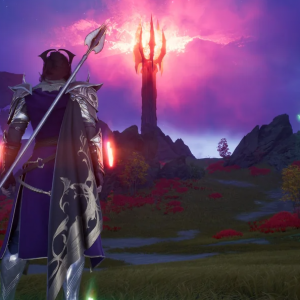








The release of Diablo 4: Lord of Hatred brings a host of changes to the game, but perhaps the most impactful updates come for two of the game's most iconic classes: the Necromancer and the Druid. Both of these classes are known for their ability to Diablo IV Items summon powerful allies from beyond the mortal plane, but in Lord of Hatred, their summoning mechanics are undergoing significant overhauls. These changes are designed to enhance their playstyles, making them more dynamic and rewarding while offering new avenues for customization.
The Necromancer’s Summoning Overhaul
Necromancers in Diablo 4 have always been masters of the dead, commanding an army of undead minions to overwhelm their foes. However, in Lord of Hatred, the class’s summoning mechanics have been reworked to give players more control, versatility, and power over their summoned creatures. The changes aim to make Necromancers feel more like true commanders, rather than simply relying on minions as passive damage dealers.
One of the most significant changes is the introduction of the Corpse Command system. Necromancers can now more directly influence the actions of their minions by commanding them to perform specific tasks or engage with certain enemies. This adds a layer of strategy, as players must carefully manage their minions and decide when to unleash them on different threats. For example, instead of just sending out all minions indiscriminately, players can now direct their undead to focus on specific targets, group up for more powerful attacks, or even defend particular areas. This level of control allows for more personalized combat strategies and ensures that the Necromancer feels like a true tactician on the battlefield.
The Lord of Hatred expansion also introduces new types of summoned units, further expanding the Necromancer’s repertoire. In addition to the familiar skeletal warriors and golems, players can now summon a variety of more specialized units, including cursed wraiths and death knights. These new summons come with their own unique abilities, offering even more ways to shape the Necromancer’s army and adapt to different combat situations. The expanded skill trees for Necromancers also offer more synergies between the summons and other aspects of the class, such as poison, bone, and blood magic, allowing for greater flexibility in building a Necromancer who matches your preferred playstyle.
Druid Changes: More Than Just Shape-Shifting
While the Necromancer is getting a major overhaul to its summoning capabilities, the Druid class is receiving a suite of changes that improve both its summoning and shape-shifting abilities. Traditionally, the Druid’s strength lies in its ability to transform into various animal forms—whether it’s a powerful werewolf for melee combat or a formidable werebear for tanking. However, Lord of Hatred also expands the Druid’s summoning options, allowing the class to better interact with the environment and control natural forces.
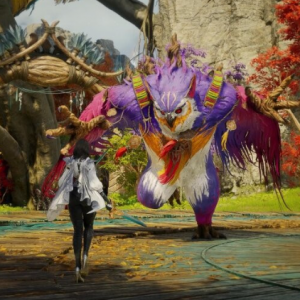
One of the standout additions is the Spirit Animal system. This new mechanic allows Druids to summon animal companions, such as ravens, wolves, and boars, each offering unique buffs or debuffs. For example, a wolf companion might increase the Druid’s critical hit chance or speed, while a boar can aggro enemies and provide additional damage resistance. This system not only enhances the Druid’s versatility in combat but also gives players a reason to experiment with different combinations of spirit animals to maximize their effectiveness in various scenarios.
Additionally, Druids now have more control over their shapeshifting abilities. While they can still shift into their classic forms (werewolf and werebear), Lord of Hatred introduces a new skill tree that allows players to further enhance their shapeshifting forms. For instance, players can opt to increase the werewolf’s speed and attack rate or focus on the werebear’s ability to absorb damage and taunt enemies. These changes encourage Druids to think carefully about how they want to approach combat, whether they prefer to dominate through speed and agility or become an unyielding force that draws enemy attention away from allies.
The Summoner’s Evolution in Lord of Hatred
The changes to both the Necromancer and Druid classes reflect a broader shift in Diablo 4 toward deeper class customization and more strategic gameplay. For players who enjoy managing armies or commanding powerful allies, the overhauls offer a more involved and rewarding experience. The Necromancer’s newfound control over its undead legions and the Druid’s expanded summoning and shapeshifting abilities make these classes feel more dynamic and adaptable than ever before.
Furthermore, these changes also address some of the earlier criticisms of Diablo 4, where certain classes felt too reliant on passive abilities or lacked meaningful control over summoned units. With the new systems in place, both Necromancers and Druids now have greater agency over their playstyle, giving them more opportunities for creative build-making and tactical gameplay.
Conclusion: A New Era for Summoners in Diablo 4
With Lord of Hatred, Diablo 4 has breathed new life into its summoner classes. The Necromancer’s revamped minion control and expanded summon pool, alongside the Druid’s enhanced shapeshifting and spirit animal companions, add layers of complexity and excitement to both classes. These changes make them more flexible and engaging to play, offering players the chance to truly command their battlefield rather than simply watch as their minions fight on autopilot. Whether you’re commanding the cheap Diablo 4 materials undead or summoning the wild beasts of nature, Lord of Hatred ensures that the role of a summoner in Diablo 4 has never been more dynamic or rewarding.